
GUT & MICROBIOME
Natural GERD Treatment: The Truth About Stomach Acid and Functional Medicine Approaches
Medically reviewed by Fawad Ahmed, MD on
Published · Updated
Discover why stomach acid isn't the enemy in GERD. Learn functional medicine approaches to acid reflux, including natural treatments for low stomach acid, PPI alternatives, and root-cause solutions.
Book a Consultation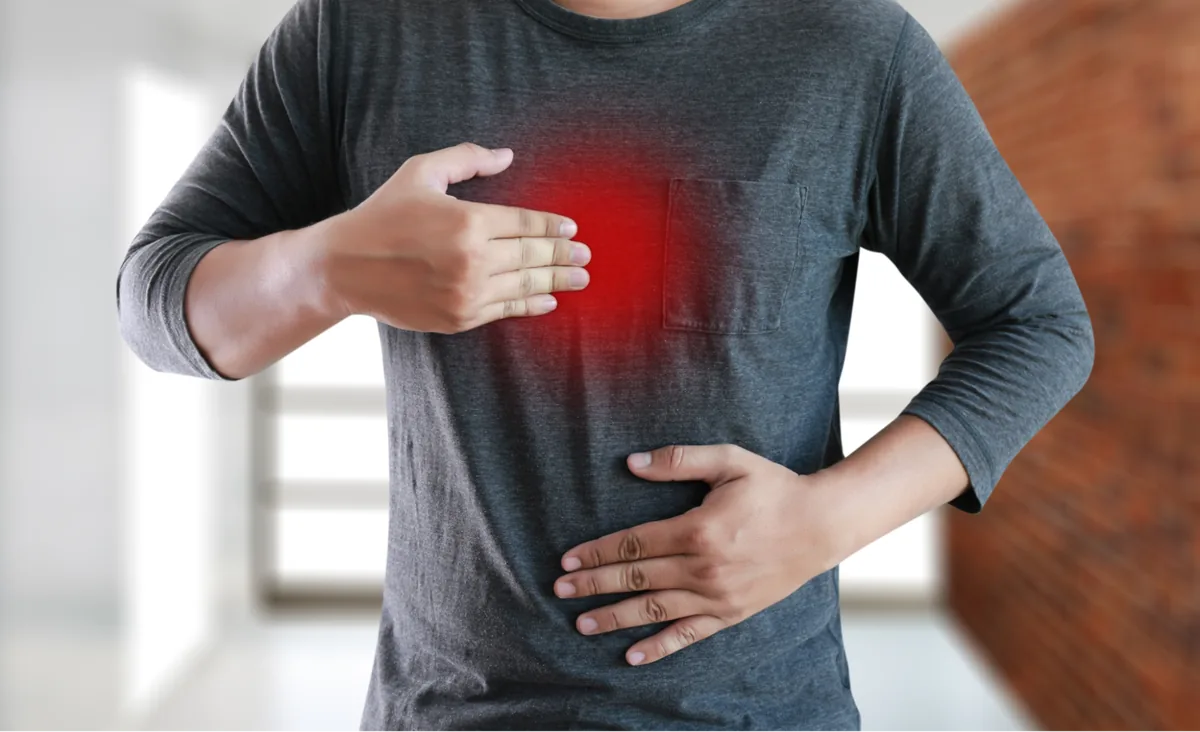
Stomach acid might not seem like the most exciting or trendy topic, but it's one of the key fundamental regulators of the gut ecosystem. It's one of your body's most potent and essential biological tools.
Aside from being just another component of digestion, gastric acid serves as both a biochemical powerhouse and a critical defense mechanism, significantly impacting your overall health.
You might hear the words "stomach acid" and immediately feel a burning sensation in your chest. Millions of people suffer from gastroesophageal reflux disease (GERD). It is a very real and painful condition, and if left unchecked, it can lead to Barrett's esophagus and potentially cancer.
As such, stomach acid is often villainized by conventional healthcare, wherein it's treated as a symptom to be suppressed with the use of proton pump inhibitor medications (PPIs). However, this merely masks symptoms, ignoring the complex underlying mechanisms and severely disrupting the gut's equilibrium.
Understanding the proper role of stomach acid—and why GERD develops—opens the door to more comprehensive and personalized functional approaches that address the root cause of stomach acid imbalances.
Why stomach acid matters
Your stomach produces hydrochloric acid (HCl) in concentrations that would be dangerous anywhere else in your body. HCl is a highly acidic compound that's very effective at dissolving proteins.
Not all of your gastric juices are HCl; in fact, only 0.5 percent of the concoction is HCl by mass. The remaining contents include salt, mucus, bile, and water.
Even with such a small portion of HCl, the pH of your stomach is still highly acidic. Normal gastric juices have a pH range of 1.3-3.5 on the scale. This is anywhere from 100,000 to almost 1,000,000 times more acidic than water. To put this in perspective, this is similar to the acidity of lemon juice.
The role of stomach acid is primarily thought of as the primary means by which we break down food for intestinal absorption. While this is fundamental to prevent nutrient deficiencies, stomach acid serves multiple critical functions beyond simply digesting food.
How stomach acid digests protein
Protein digestion begins in your stomach and is entirely dependent upon adequate acid production. Protein is an essential macronutrient for life. It's made up of building blocks of smaller chains of proteins called amino acids. Gastric acid converts pepsinogen to pepsin, the primary proteolytic enzyme responsible for breaking down dietary proteins into amino acids.
After digestion in the stomach, the individual amino acids travel to the small intestines, where they're absorbed and then reconstructed into proteins in our own bodies. Without sufficient stomach acid, proteins are not effectively digested, leading to putrefaction, bacterial overgrowth, and poor nutrient absorption.
How this applies to GERD
Research shows that eating protein is an effective buffer that raises gastric pH immediately after ingestion, and protein also stimulates more acid production.
Use this to your advantage: Natural GERD Treatment. Eating your protein first, followed by carbs/fats with meals, is an excellent strategy for reducing acid reflux following meals. Food raises the pH of gastric juices (meaning it becomes less acidic).
By eating food that both buffers and stimulates acid production first, and finishing the meal off with foods that are less likely to do so, you're less likely to experience reflux of acid once your stomach is full because there is less acid being produced.
Stomach acid as a defense against pathogens
One of stomach acid's most important functions is pathogen control. The extreme pH of gastric acid acts as a protective barrier, effectively sterilizing or inhibiting the growth of most bacteria, viruses, fungi, and parasites before they can establish an infection in the intestinal tract. This antimicrobial effect is crucial for preventing food- and waterborne illnesses, as well as providing the ideal environment for your gut microbiome.
An interesting fact about the pH of human gastric juice is that it's significantly lower than in many herbivorous animals and is more similar to that of carnivores and scavengers. This suggests that our high stomach acid levels evolved as a critical survival mechanism to provide extra protection from the higher risk of pathogens present in raw meat, including carrion that may contain significant bacterial loads.
When stomach acid production is insufficient (hypochlorhydria) or absent (achlorhydria), it can potentially lead to reduced protection against ingested pathogens, such as Vibrio or Helicobacter bacteria.
Understanding GERD beyond acid
Gastroesophageal reflux disease (GERD) affects an estimated 18-28% of the population in the United States. The incidence is also steadily increasing, particularly in younger age groups. However, the conventional understanding of GERD as simply "too much acid" misses the complex pathophysiology underlying this condition.
The pathophysiology of GERD is multifactorial. Multiple mechanisms contribute to the development and potentiation of GERD, including:
- Lower esophageal sphincter dysfunction
- Transient sphincter relaxations
- Impaired esophageal motility
- Hiatal hernia
Understanding these mechanisms, and which are present and which are not, in each patient is crucial for developing effective natural GERD treatment approaches.
The lower esophageal sphincter
The lower esophageal sphincter (LES) functions as a valve between the esophagus and stomach, opening to allow food passage and closing to prevent reflux. When this sphincter becomes weakened or relaxes inappropriately, gastric contents can escape upward into the esophagus, causing the burning sensation known as heartburn.
What this means for treatment
One major cause of GERD is weakened esophageal tone (think of a weak muscle that isn't very strong). Melatonin has been shown to increase esophageal tone.
The diaphragm
While the LES is one of the key elements that prevents esophageal reflux by blocking the backflow of acid up the esophagus, research is discovering that the diaphragm also plays a vital role in protecting against GERD.
The diaphragm is a large muscle that divides the lungs and abdominal cavity. It's the primary muscle that allows you to breathe. Maintaining pressure in the LES helps prevent the formation of a hiatal hernia.
What this means for treatment
Research shows that deep breathing exercises improve GERD. This strengthens the diaphragm to help enhance pressure on the LES and prevent backflow.
Hiatal hernia
A hiatal hernia occurs when a small part of the stomach bulges through the diaphragm into the chest cavity, compromising the effectiveness of the LES and disrupting normal pressure balance.
What this means for treatment
While there is limited scientific evidence, several anecdotal reports and some small studies exist on the utility of manual therapy (massage-like therapy) on the abdomen to help realign the stomach to its rightful position in the abdominal cavity. While this should be administered by a trained professional, it may be a potential tool for alleviating GERD symptoms.
Strengthening the diaphragm is also a helpful strategy that anyone can begin doing through simple breathing exercises.
Low stomach acid and GERD
Counterintuitively, many GERD cases involve low stomach acid levels rather than excess, a condition called hypochlorhydria. Stomach acid helps maintain the LES and regulates the gut microbiome environment in the small intestines.
Low acid levels result in less pressure on the LES, and a potential for bacterial overgrowth. Bacterial overgrowth places additional upward pressure on the stomach from fermentation in the GI tract that can worsen or cause GERD.
Several factors can contribute to low stomach acid production:
- Older individuals (gastric acid production naturally declines with aging)
- Chronic stress
- H. pylori infection
- Long-term use of proton pump inhibitors
- Autoimmune conditions affecting the stomach lining
- Nutritional deficiencies
Possible effects of long-term acid blockers
While proton pump inhibitors (PPIs) are highly effective at reducing acid production, their long-term use can create complications (in fact, they are not intended for long-term use, as this is explicitly stated on the labels).
Chronic treatment with PPIs has been shown to cause small intestinal bacterial overgrowth (SIBO), due to the loss of the gastric acid defensive barrier.
Research indicates that PPI-induced hypochlorhydria enables microbes that typically inhabit the lower portion of the intestines to colonize in the upper portions of the gastrointestinal tract. Another study found that long-term use of PPIs resulted in positive breath tests for SIBO in nearly 30% of patients, and the risk was particularly high in elderly patients.
If you take a PPI or another acid-reducing medication, do not stop or change it without first talking to your prescriber.
Functional medicine approaches to GERD
Melatonin and the lower esophageal sphincter
3-6mg of melatonin (taken at night due to its sedative effect) may be a useful functional intervention for GERD.
Melatonin protects the mucosal lining of the gut and increases gastrin secretion, which contracts the LES.
An 8-week intervention of melatonin increased LES pressure from 10 ± 1.58 mmHg to 16.5 ± 0.6 mmHg.
In one study, supplementation with melatonin, L-tryptophan, and B vitamins over 40 days resulted in complete regression of GERD symptoms and outperformed omeprazole, which only improved 66% of GERD cases.
Betaine HCl for low stomach acid
Meal-time supplementation with betaine hydrochloride (HCl) may help raise stomach acid levels in those with hypochlorhydria.
Betaine HCl lowered gastric pH from 5.2 to 0.6 during the 30 minutes after administration.
Proper testing and supervision by a qualified practitioner is essential when considering HCl supplementation to avoid potential worsening of GERD.
Manual therapy for hiatal hernia
Manual abdominal manipulation may also be an effective strategy for GERD caused by a hiatal hernia.
A case study of a patient with a 3 cm hiatal hernia demonstrated that osteopathic manipulative treatment restored the functionality of the GI tract and the positioning of the gastroesophageal junction, resulting in the complete resolution of GERD symptoms.
Manual therapy techniques specifically targeting the diaphragm and gastroesophageal junction aim to support proper anatomical positioning.
It's essential to note that, currently, the only definitive treatment for hiatal hernias is surgery.
Foods to limit
Certain foods are known to exacerbate GERD symptoms, so they are worth avoiding during the initial phase of treatment:
- High-fat meals (slow gastric emptying and increased reflux risk)
- Chocolate (relaxes the LES)
- Caffeine (can increase acid production and relax the LES)
- Alcohol (irritates the esophageal lining and relaxes the LES)
- Citrus fruits and tomatoes (high acid content)
- Spicy foods (can irritate damaged esophageal tissue)
- Carbonated beverages (increase gastric pressure)
- Mint (can relax the LES despite its soothing properties)
Posture and lifestyle changes
Simple postural changes can significantly reduce GERD symptoms:
- Elevate the head of the bed by 8 inches during sleep
- Avoid lying down for 2-3 hours after meals
- Maintain a healthy body weight to reduce abdominal pressure
- Eat smaller, more frequent meals to prevent gastric overdistension
- Chew food thoroughly to minimize the burden on the stomach
- Practice proper posture during and after meals
Timeline and expectations
When following a personalized care plan designed by a qualified functional medicine practitioner, timelines vary from person to person.
Progress may take longer for those with significant hiatal hernias or long-term PPI use.
The key is addressing the underlying mechanisms rather than simply suppressing symptoms. This approach aims to provide more sustained relief and help prevent the long-term complications associated with chronic PPI use.
Working with a qualified practitioner
GERD treatment using functional medicine approaches requires proper assessment and supervision. Look for practitioners who:
- Understand the complex pathophysiology of GERD
- Can perform appropriate functional testing
- Can safely guide PPI tapering protocols
- Take a systems-based approach to digestive health
Conclusion
Your stomach acid is a powerful ally in maintaining digestive health and protecting against pathogens. By understanding its true role and addressing the root causes of GERD, you can work toward better digestive function and longer-lasting symptom relief.
Further reading
For more on this topic from independent sources:
- MedlinePlus (U.S. National Library of Medicine). “GERD.” https://medlineplus.gov/gerd.html
- National Institute of Diabetes and Digestive and Kidney Diseases (NIDDK). “Treatment for GER & GERD.” https://www.niddk.nih.gov/health-information/digestive-diseases/acid-reflux-ger-gerd-adults/treatment
- MedlinePlus (U.S. National Library of Medicine). “Hiatal Hernia.” https://medlineplus.gov/hiatalhernia.html
If you’re interested in taking a proactive approach to your health, book a 30-minute discovery call.
Book a Discovery Call